
There's a persistent idea that window replacement is strictly a summer job, best left until the weather's reliably dry. It's not entirely wrong, but it's not the whole picture either — the truth is that the best time to replace your windows depends more on the condition of what you've already got than on the month on the calendar.
This guide walks through how the seasons actually affect a window replacement project, the signs that mean it's time regardless of when you're reading this, and how to plan around Yorkshire's genuinely unpredictable weather without losing your nerve halfway through.
Does the season actually matter for window replacement?
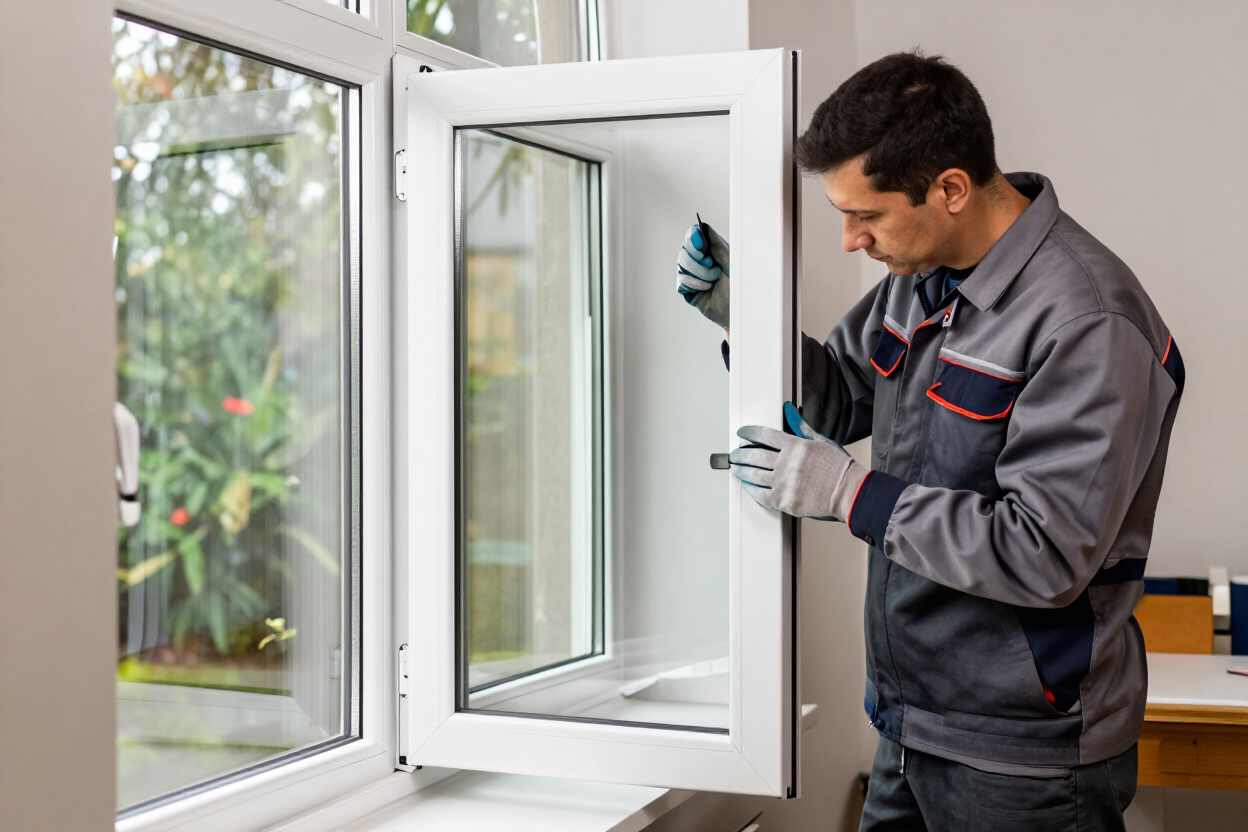
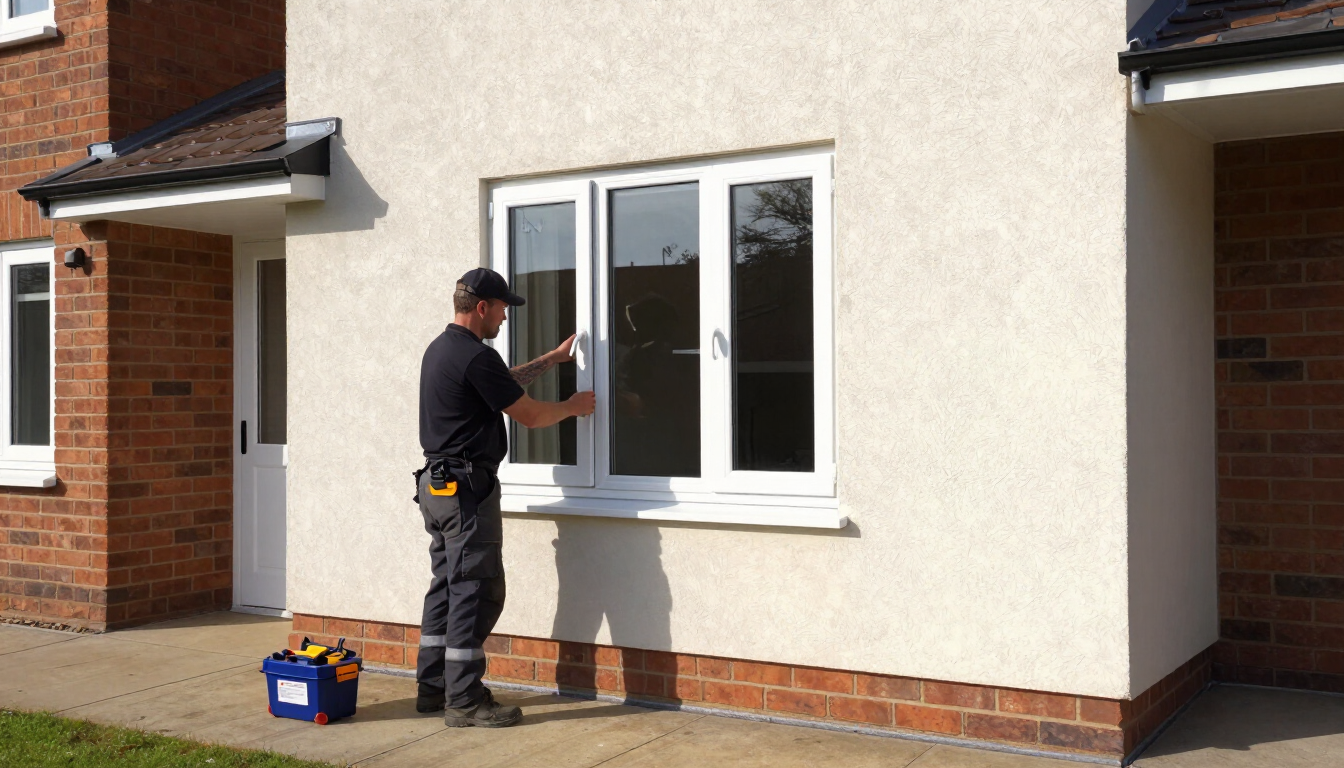
It matters less than most homeowners assume, mostly because a professional installer works to keep your home weathertight throughout the job regardless of what's happening outside. Modern fitting methods mean a window can typically be removed and replaced within an hour or two per opening, so the house isn't left exposed for long even on a wet day.
That said, the season does shape a few practical things: how comfortable the process feels for anyone home during the work, how quickly sealants and finishes cure, and how busy installers are, which in turn affects how soon you can actually get booked in.
The practical case for each season
Each season brings its own trade-offs, and none of them rule out a project outright:
- Spring: mild weather makes for comfortable working conditions and good curing times for sealants, though it's also when a lot of households have the same idea, so booking ahead matters more here than at any other time of year.
- Summer: the most popular season for window replacement, with longer days and drier conditions generally, but that popularity means lead times stretch out and installers get booked up weeks or months in advance.
- Autumn: often the sweet spot — demand eases off after the summer rush, weather's usually still workable, and getting new windows in before winter means better insulation for the colder months ahead.
- Winter: far from ideal weather, but far from impossible either; installers experienced in winter fitting protect the opening properly during the swap, and this is often when older, failing windows get replaced out of necessity rather than choice, since draughts and heat loss become impossible to ignore once temperatures drop.
None of this means you should wait for a particular season if your windows are already failing; a genuinely draughty, damaged, or insecure window costs more to leave in place through a Yorkshire winter than it does to replace slightly out of season.
Signs it's time to replace, whatever the calendar says
A handful of signs matter more than the time of year. Persistent misting between panes that won't clear means the seal has failed and the insulation value has already dropped, whatever the frame looks like from outside.
Draughts you can feel with a hand near the frame, or a noticeable jump in heating bills without an obvious cause elsewhere, both point to failing seals or ageing frames rather than anything the weather's doing to you.
Frames that have started to rot, warp, or crack are a structural issue rather than a cosmetic one, and windows that are increasingly difficult to open, close, or lock securely are both an inconvenience and, eventually, a security concern.
If any of this sounds familiar, take a look at our detailed rundown of signs your windows need replacing, or book a survey directly and skip straight to an answer.
How long does a window replacement project take?
For a typical house, most window replacement projects run from a single day for a handful of openings up to two or three days for a full house, depending on how many windows are involved and whether doors are part of the same job.
Lead time between survey and fitting varies more than the fitting itself — this is where season genuinely bites, since a summer booking might mean a six- to eight-week wait for manufacture and scheduling, while autumn or winter can often move faster simply because fewer households are booking at the same time.
Planning around weather and disruption
A few practical steps make the process smoother whatever the forecast looks like on the day:
- Keep one room workable at a time if the whole house is being done, so daily life carries on reasonably normally between fitting stages.
- Ask your installer how they protect the opening during changeover, especially if the job's booked for autumn or winter.
- Plan around any events or guests, since even a tidy, professional crew means some noise and foot traffic through the house for the day.
- Confirm what happens if weather genuinely prevents work on the scheduled day, and how rescheduling gets handled.
Budgeting and lead times across the year
Cost doesn't really move with the seasons in the way people sometimes expect, but a few factors do shift depending on when you book:
- Manufacturing lead times stretch furthest in peak summer months, when demand is highest across the trade generally.
- Installer availability tightens around spring and early summer, so autumn and winter bookings often move faster from quote to fitting.
- Material costs stay fairly stable year-round, though promotional offers sometimes appear in quieter months when installers have gaps in their schedule to fill.
- A free, itemised survey remains the only reliable way to budget properly, whatever time of year you're reading this.
If you're planning ahead rather than reacting to a failing window, autumn tends to offer the best balance of workable weather, easing demand, and getting new windows in before winter really sets in.
FAQ
Is winter a bad time to replace windows?
Not really; professional installers protect the opening throughout the swap, and many older windows get replaced in winter out of necessity once draughts and heat loss become too noticeable to ignore.
What's the most popular time of year to replace windows?
Summer, by a clear margin, which means it's also when lead times stretch out furthest and installers get booked up earliest.
How long does a typical window replacement take?
Usually a single day for a handful of windows, up to two or three days for a full house, though the survey-to-fitting lead time varies more than the actual fitting work.
Should I wait for a specific season if my windows are already failing?
No, a draughty, damaged, or insecure window costs more to leave in place than it does to replace slightly out of season.
Summary and next step
The best time to replace your windows is really whenever the condition of what you've got stops making sense to leave alone, with autumn often offering the best practical balance if you've got the luxury of choosing rather than reacting. If you're not sure which category you're in, a free survey settles it quickly.
Book a free, no-obligation survey with The Great Big Window Company. We'll assess your current windows, talk through timing honestly rather than pushing you toward whichever season suits us, and provide a clear itemised quote whenever you're ready to go ahead.
Explore new windows in Leeds or get in touch to talk through your specific property.