Frame material is one of the biggest decisions in any window project, influencing everything from monthly heating costs to how much maintenance a homeowner will need to keep up with over the years. Across Doncaster, Barnsley, Sheffield and the rest of Yorkshire, we install all three of the main frame materials regularly, and each one suits a different type of property and priority.
This guide compares uPVC, aluminium and timber on the factors that matter most in practice, so that choosing between them feels straightforward rather than overwhelming.
uPVC: The Practical, Budget-Friendly Choice
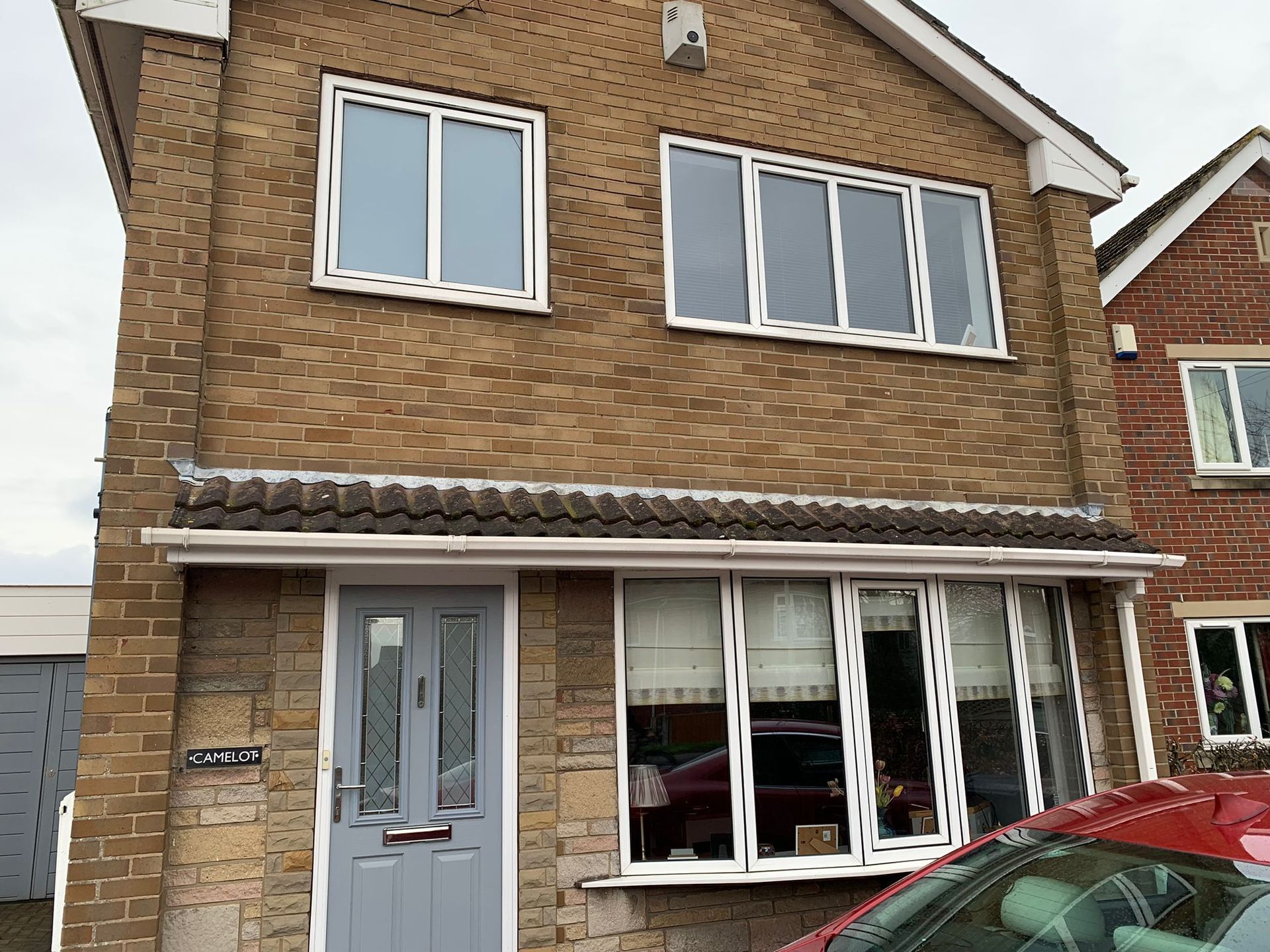
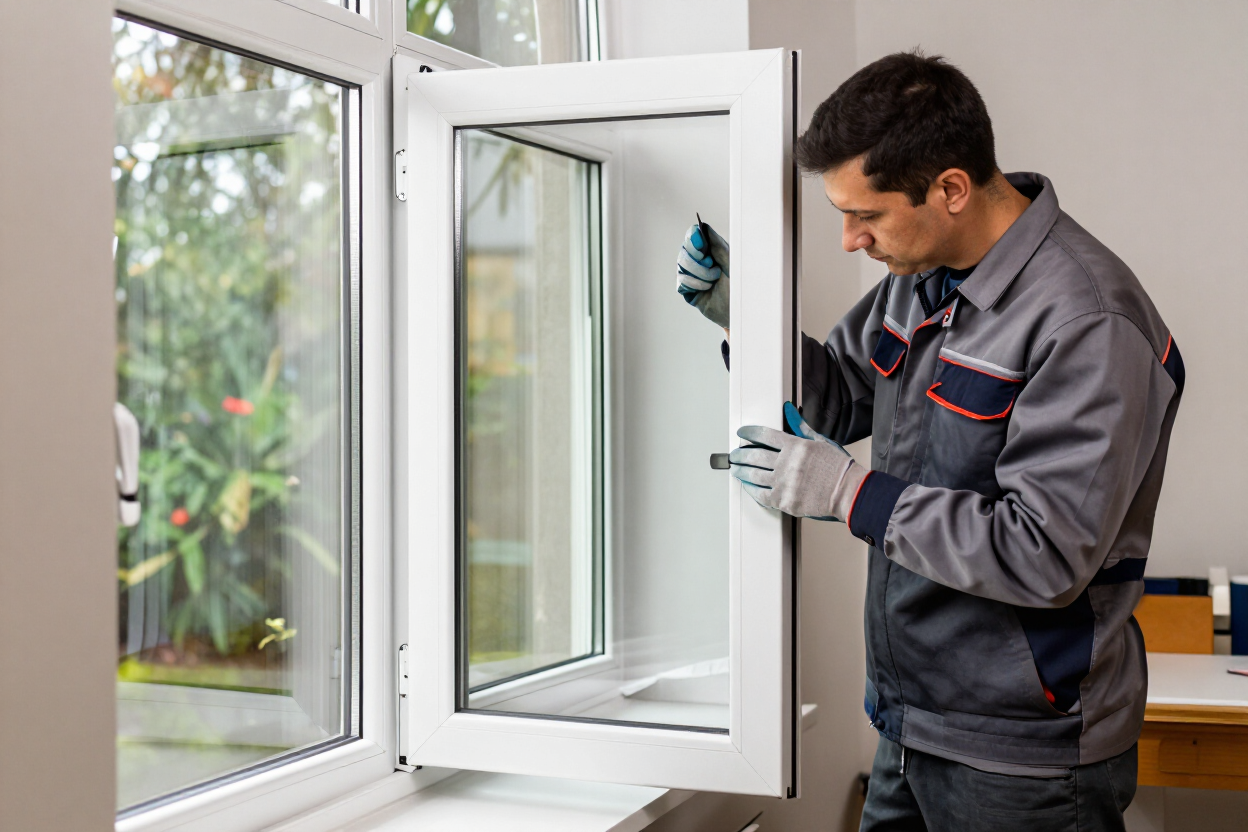
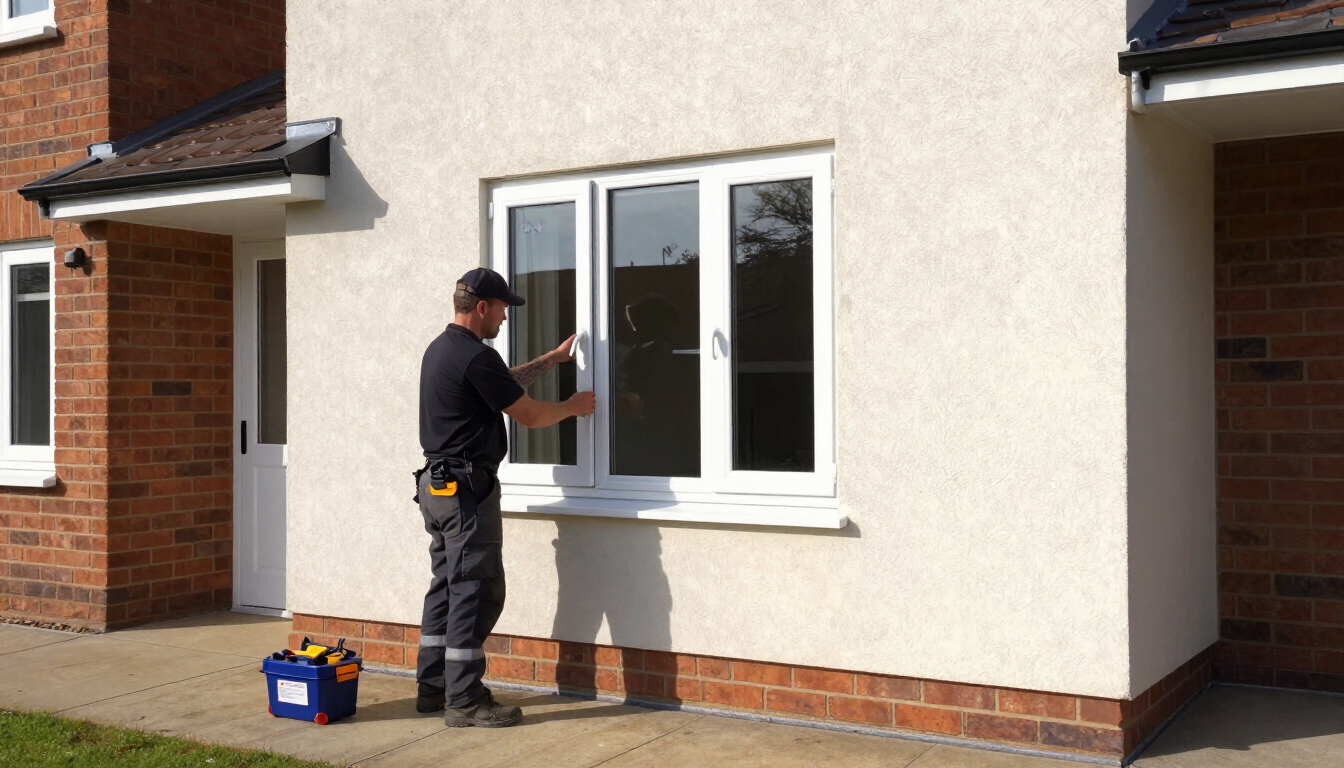
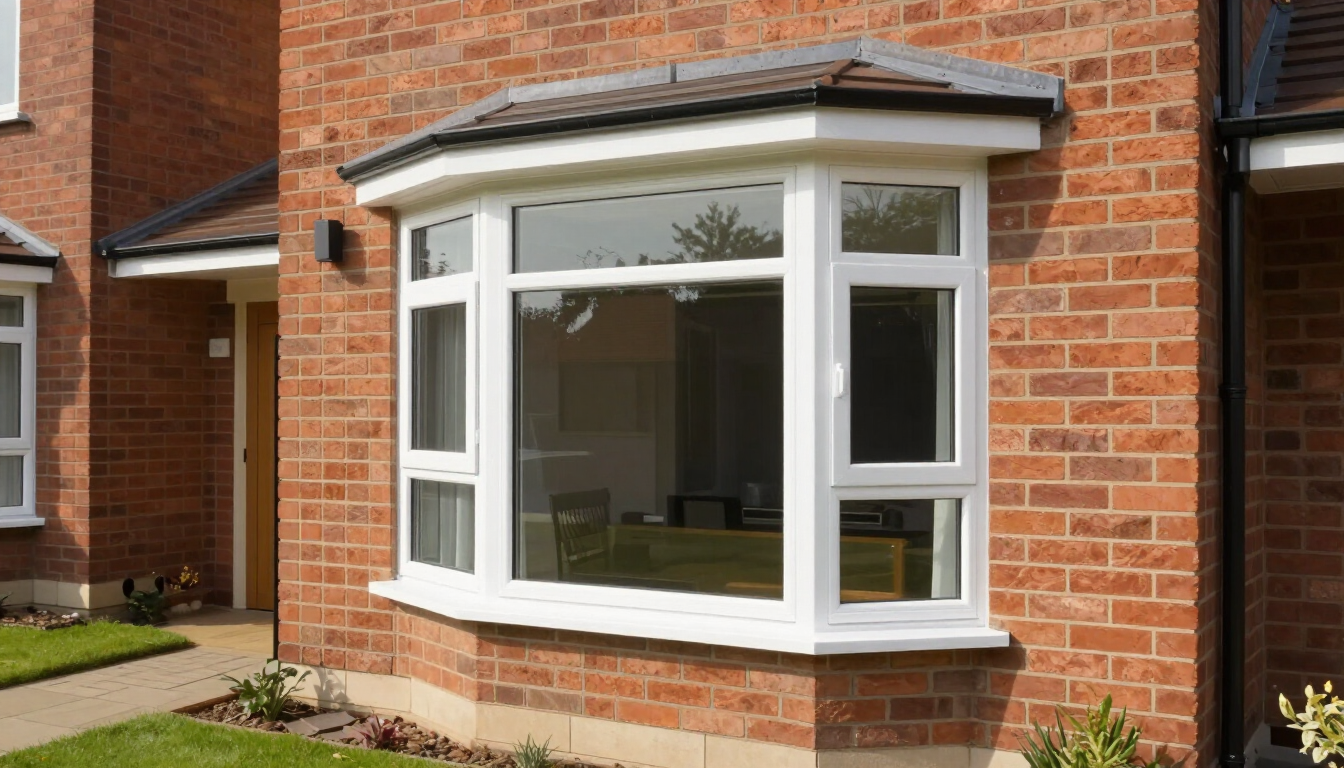
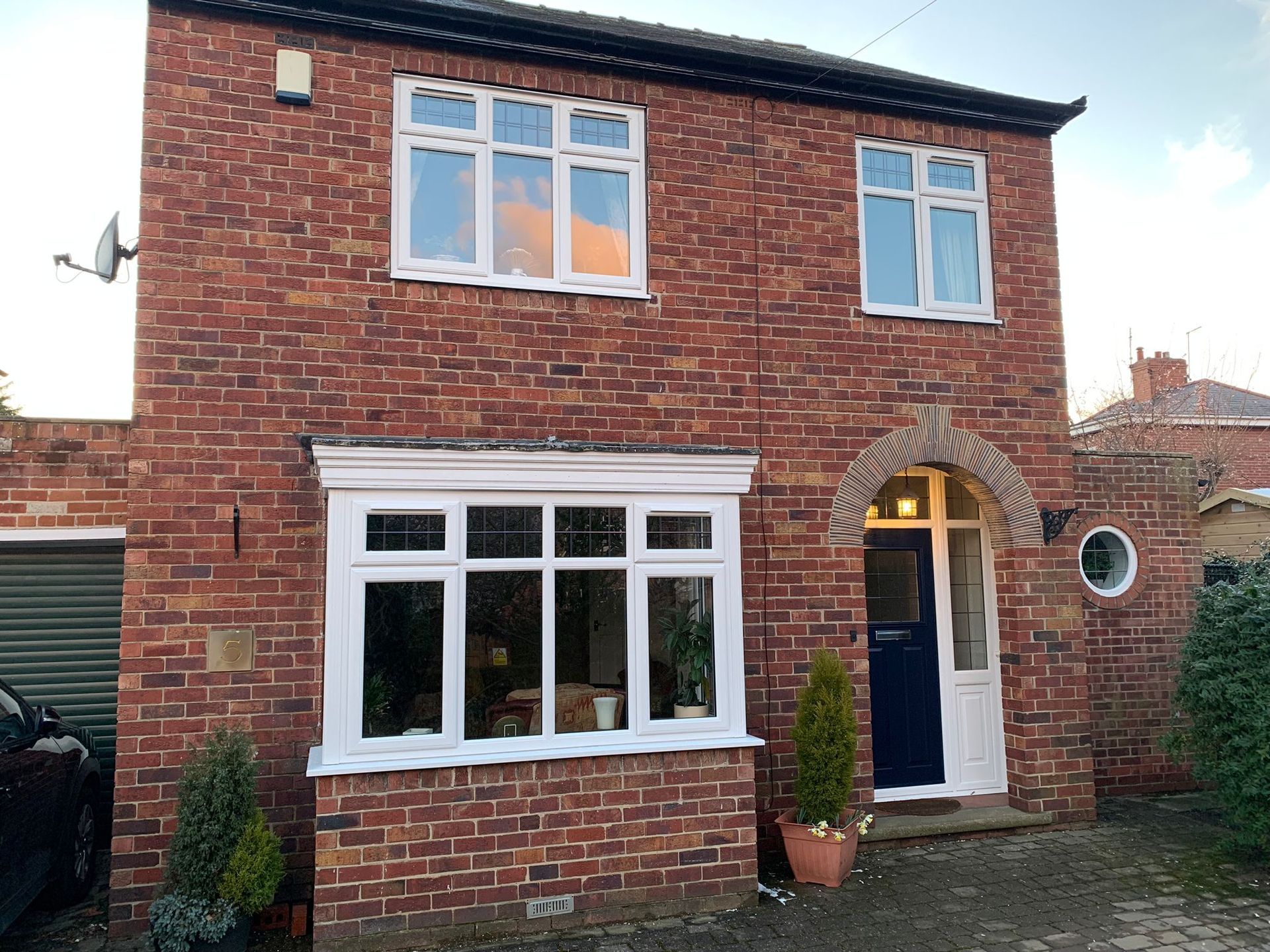
uPVC remains the most popular frame material across the UK, and for good reason. It offers strong thermal performance, requires very little maintenance beyond occasional cleaning, and comes at a lower price point than aluminium or timber for a comparable specification.
Modern uPVC has also moved on considerably from the slightly bulky profiles of decades past. Flush sash and slimline designs now offer a much cleaner, more contemporary appearance while retaining all the practical benefits that make uPVC such a reliable choice for everyday family homes, and colour options have expanded well beyond the standard white finish that most people still associate with the material.
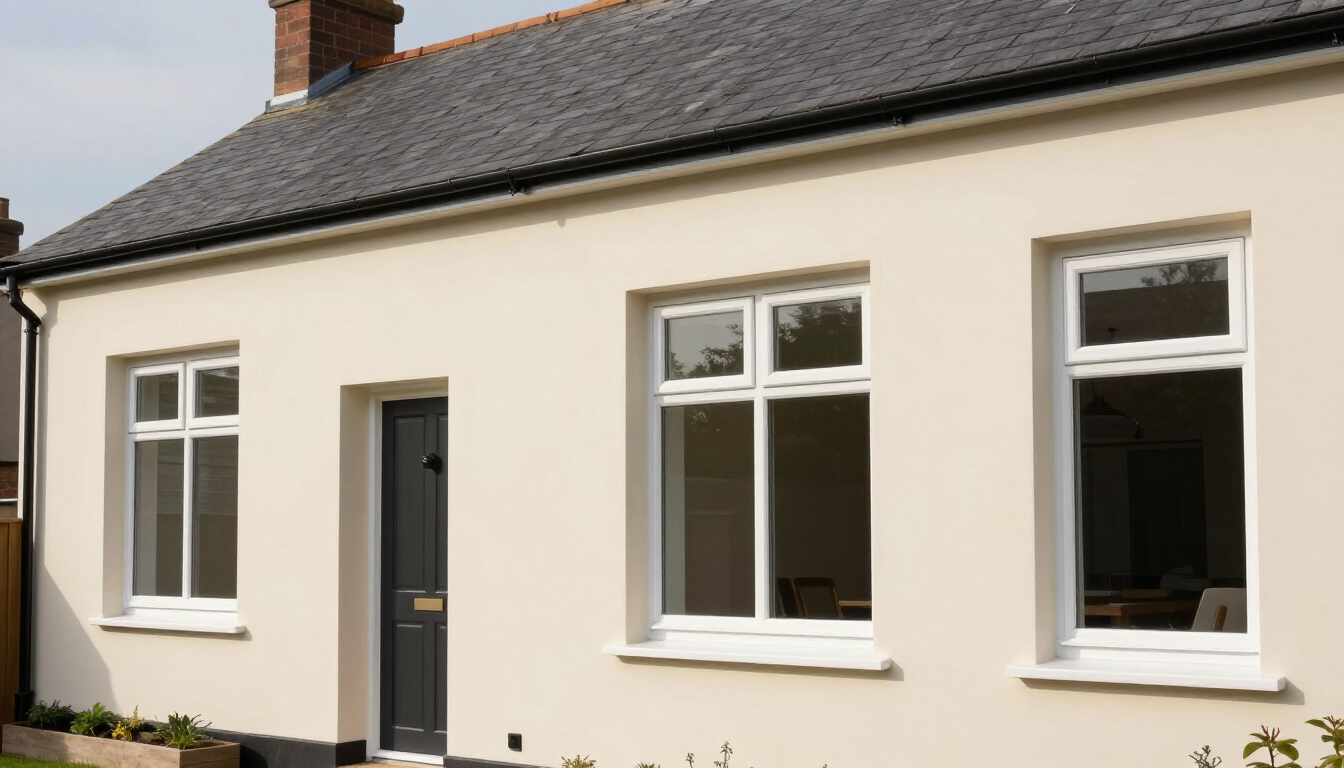
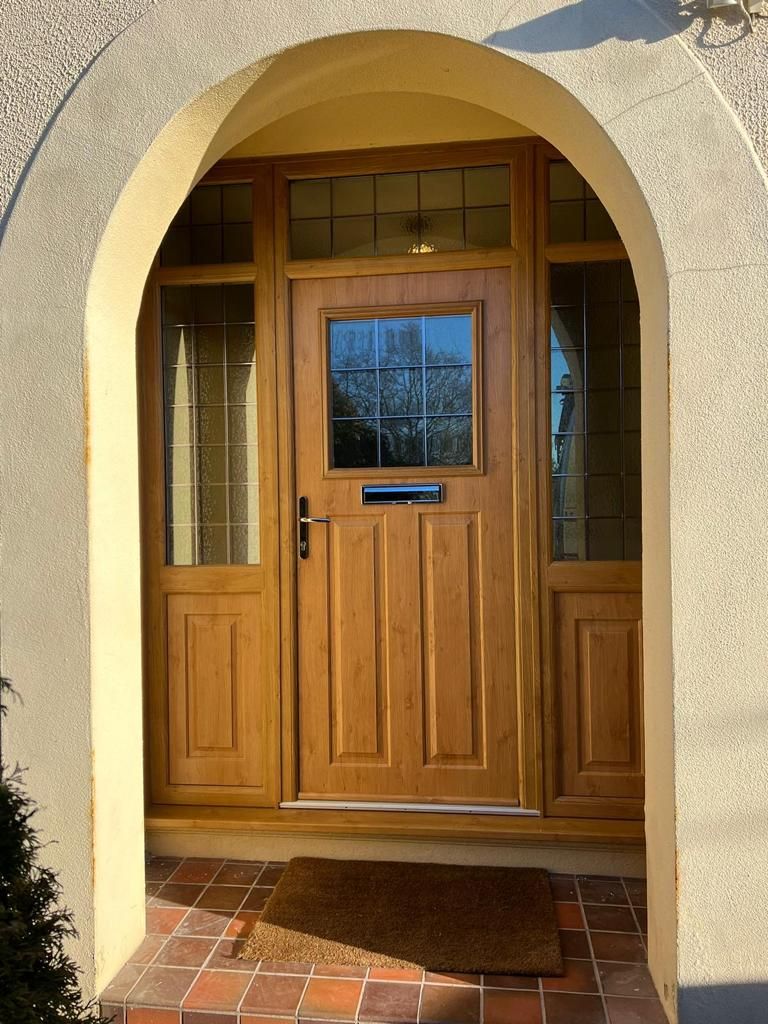
The main trade-off is that uPVC frames, while available in a wide range of colours and woodgrain finishes, cannot fully replicate the character of genuine timber, which matters more in period or conservation-sensitive properties than in a standard semi-detached or new-build home. For the vast majority of homeowners, however, this is a minor consideration set against the cost savings and low maintenance that uPVC delivers year after year.
Aluminium: Slim Sightlines And Modern Style
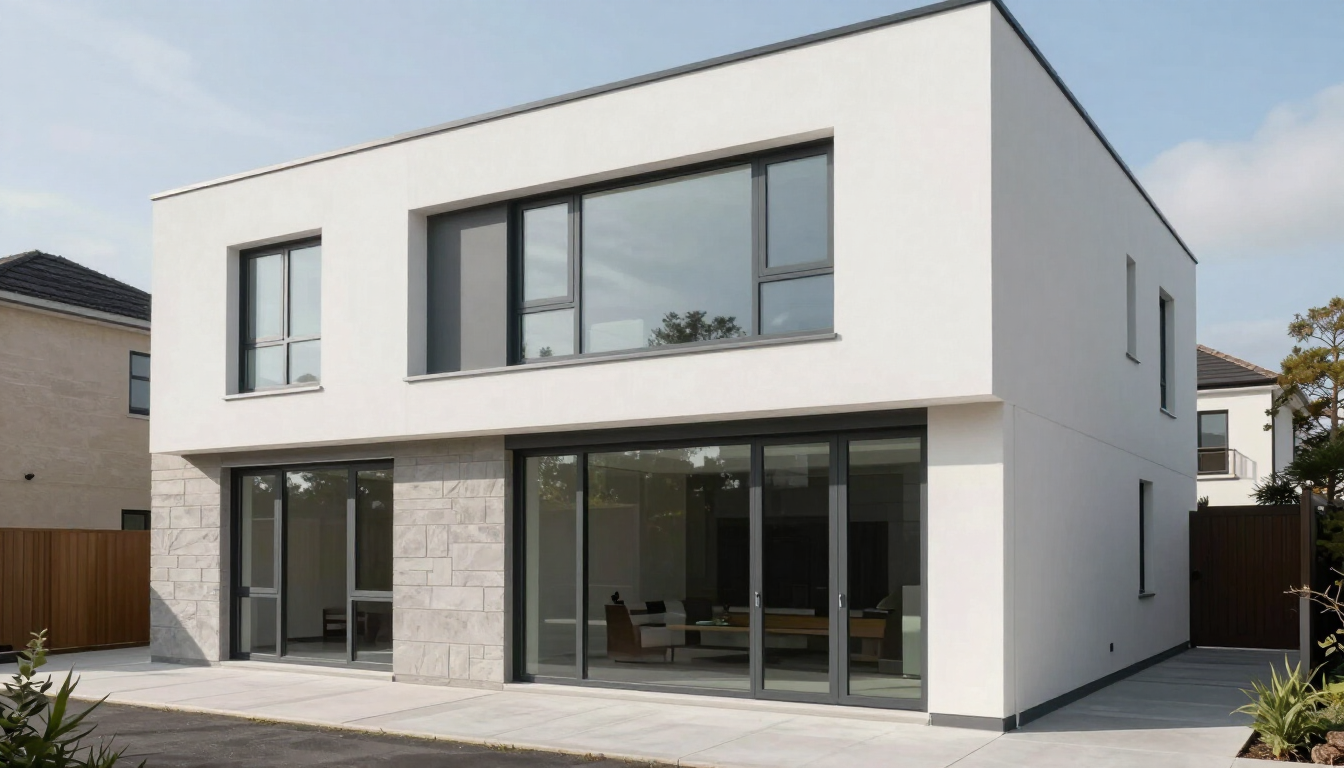
Aluminium frames are prized for their strength relative to thickness, which allows for much slimmer frame sightlines and larger glass areas than uPVC or timber can typically achieve. This makes aluminium a popular choice for bifold doors, French doors, and large picture windows where maximising light and view matters most.
It is also highly durable and resistant to warping, making it a sensible choice for exposed or coastal locations, though this is less of a concern for most inland Yorkshire properties. Aluminium generally sits at a higher price point than uPVC, reflecting both the material cost and the more contemporary, architectural look it delivers, and this cost difference tends to be most noticeable on larger openings where more material is required.
For homeowners extending or renovating with large glazed openings in mind, aluminium is often the material that makes those ambitious designs structurally possible in the first place, since a uPVC frame of the same span would typically need to be considerably chunkier to provide the same structural support.
Best Suited To Extensions And Bifolds
Aluminium bifold and French doors are a natural fit for extensions and garden-facing rooms, where slim frames and large glass panels are the whole point of the design.
A Growing Choice For Renovations
Increasingly, homeowners are choosing aluminium windows for full renovations, not just extensions, drawn by the crisp, modern look and long-term durability of the material.
Timber: Character For Period Properties
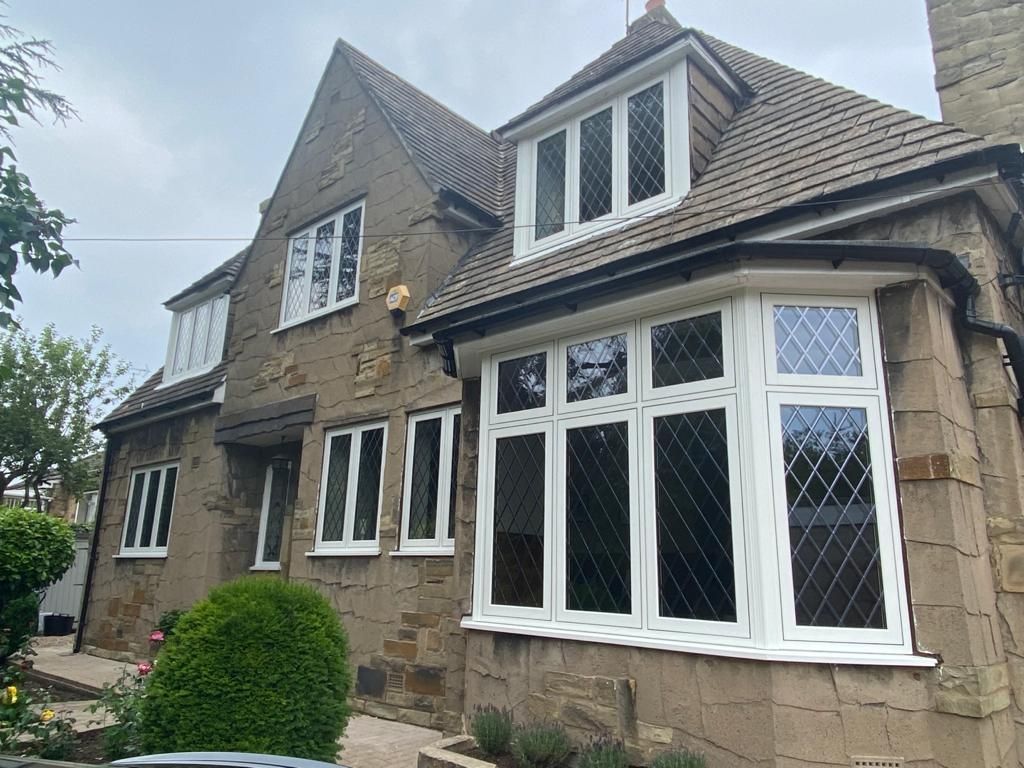
Timber windows remain the material of choice for period and listed properties, where a uPVC or aluminium alternative would look out of place against original stonework or brickwork. The natural grain and traditional joinery of timber frames simply cannot be fully replicated by other materials.
The trade-off is maintenance. Timber requires periodic repainting or staining to protect it from the weather, and neglected frames can be vulnerable to rot over time, particularly in exposed, north-facing elevations common across the Pennines and South Yorkshire. This is not a reason to avoid timber altogether, but it is worth factoring the ongoing time and cost of upkeep into the overall decision rather than comparing purchase price alone.
For homeowners who value authenticity and are prepared to keep up with occasional maintenance, timber remains unmatched for character, and modern timber frames now incorporate improved seals and double glazing to bring thermal performance much closer to uPVC and aluminium standards, closing a gap that used to be a much bigger factor in the decision.
Choosing With Confidence
There is no single best frame material for every home; the right choice depends on the property's style, budget, and how much ongoing maintenance a homeowner is willing to take on. With nearly 20 years fitting windows and doors across Yorkshire, we can talk through the trade-offs honestly and recommend what genuinely suits your property.
Take a look at our range of uPVC casement windows and aluminium bifold doors, or request a free, no-obligation quote to discuss which material is right for your home.
FAQs
Which frame material lasts the longest?
All three materials can last several decades when properly installed and maintained. uPVC and aluminium generally require less upkeep to reach their full lifespan, while timber can last just as long but depends more heavily on regular maintenance.
Is aluminium always more expensive than uPVC?
Generally yes, aluminium tends to cost more than uPVC for a comparable window size, reflecting both material costs and the slimmer, more bespoke profiles typically used in aluminium ranges.
Can I mix frame materials across the same property?
Yes, many homeowners use aluminium for large openings like bifold doors and uPVC or timber for standard windows elsewhere in the property, balancing budget with the specific demands of each opening.
Do timber windows meet modern energy efficiency standards?
Modern timber windows with double glazing and quality seals can meet current building regulations for thermal performance, though uPVC and aluminium with similar glass specifications often edge ahead slightly on overall efficiency.