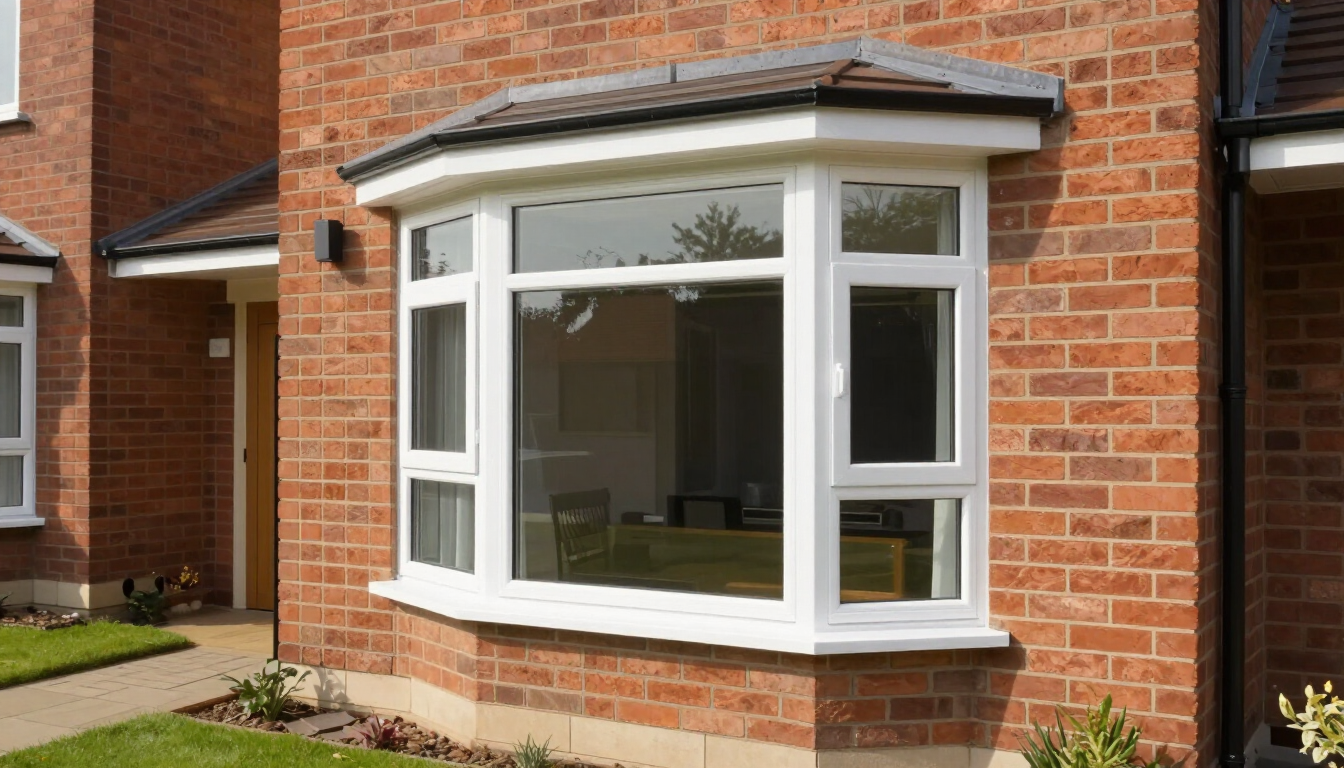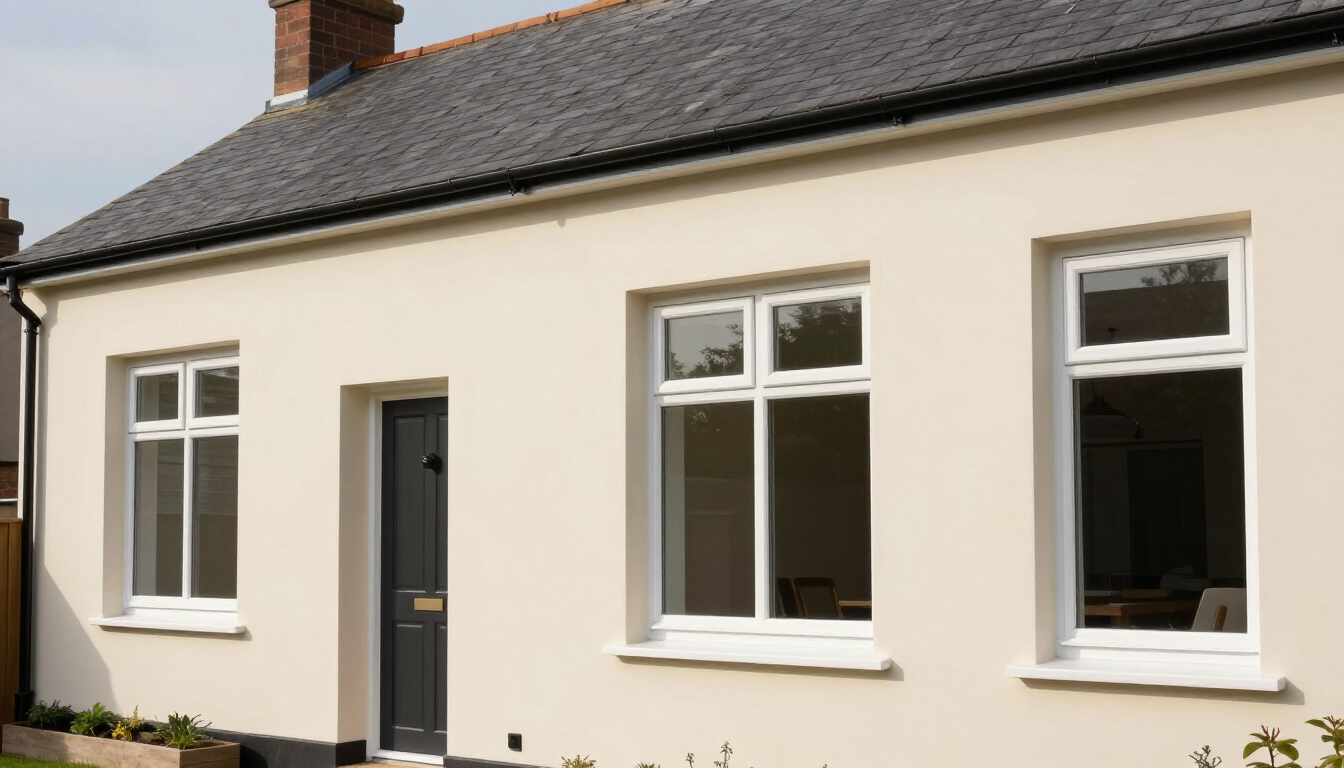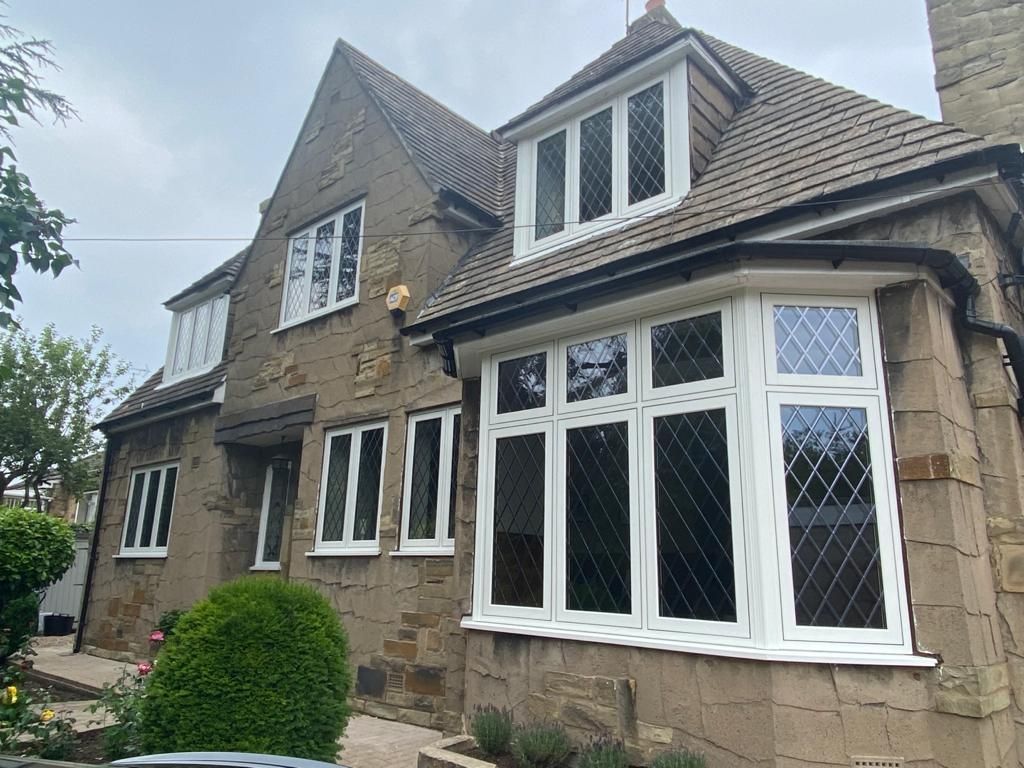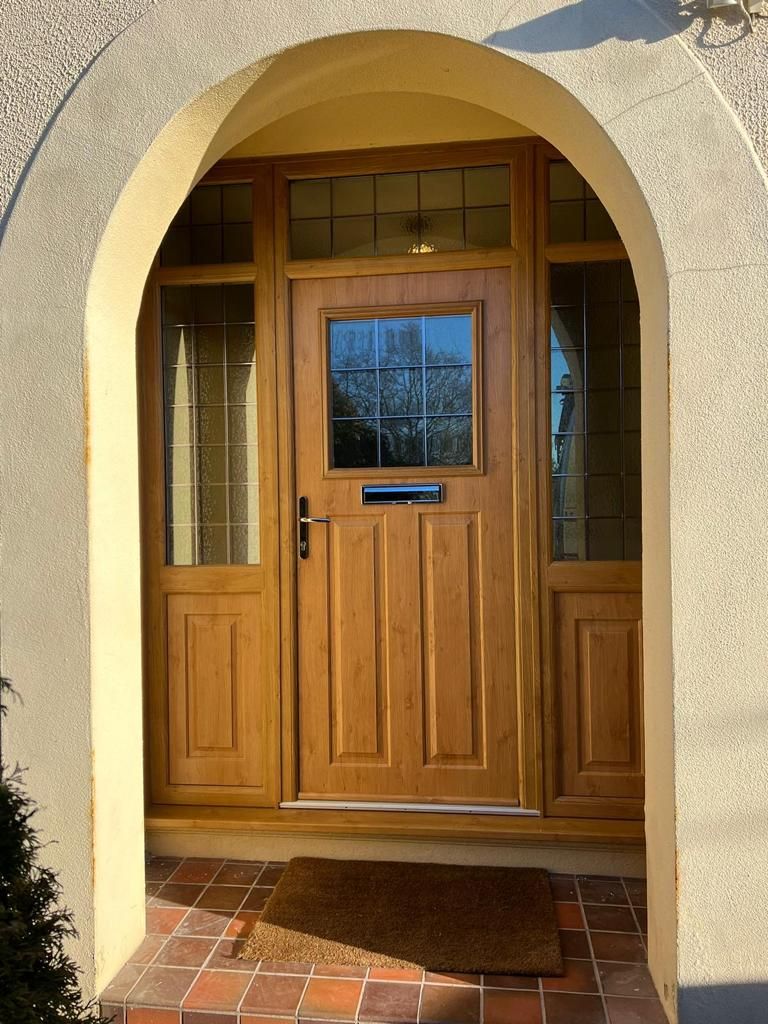
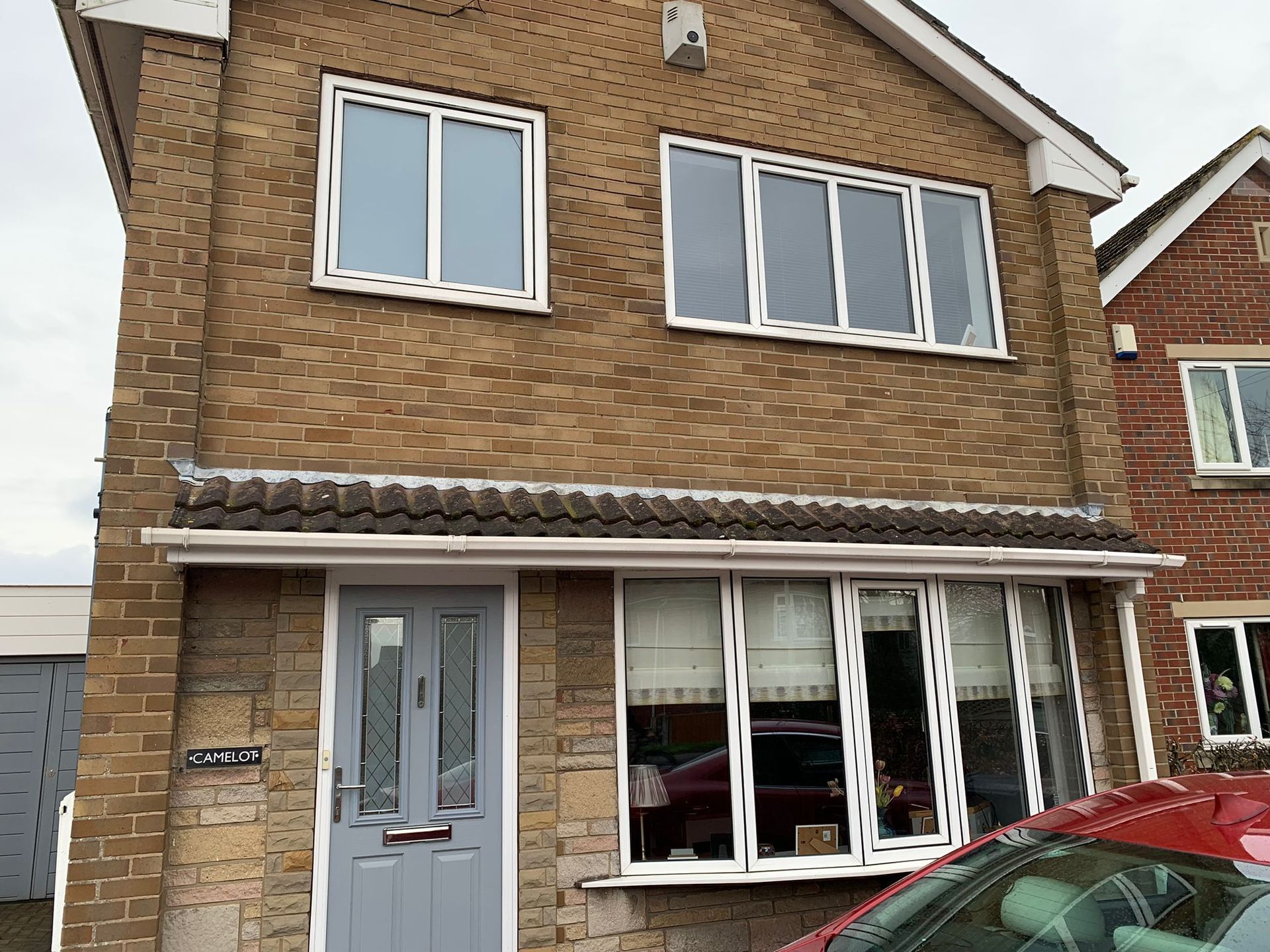
One of the most common questions we hear from homeowners across Doncaster, Barnsley, Sheffield and the rest of Yorkshire is whether a misted or failed window genuinely needs replacing altogether, or whether just the glass itself can be swapped out. It is a fair question, because a full window replacement and a glass-only repair sit at very different price points, and getting the decision wrong means either overspending or settling for a fix that does not last.
This guide sets out the practical differences between replacing the insulated glass unit, known as the IGU, and replacing the entire window, so that homeowners can make an informed choice before a surveyor even arrives.
What An IGU Actually Is And Why It Fails
An insulated glass unit is the sealed pane of double or triple glazing sitting inside a window frame. Two or three panes of glass are bonded together around the edges with a spacer bar and a perimeter seal, and the gap between them is filled with air or an inert gas such as argon to improve insulation.
Over time, that perimeter seal can break down, letting moisture seep into the gap between the panes. Once that happens, no amount of cleaning will remove the cloudiness or the trapped water droplets that appear inside the glass, because the problem is sealed inside the unit itself, not on the surface.
Seal failure is usually driven by age, sudden temperature changes, or a poor original installation, and it tends to show up gradually as a hazy patch in one corner of the glass before spreading across the whole pane.
When Glass-Only Replacement Is The Right Call
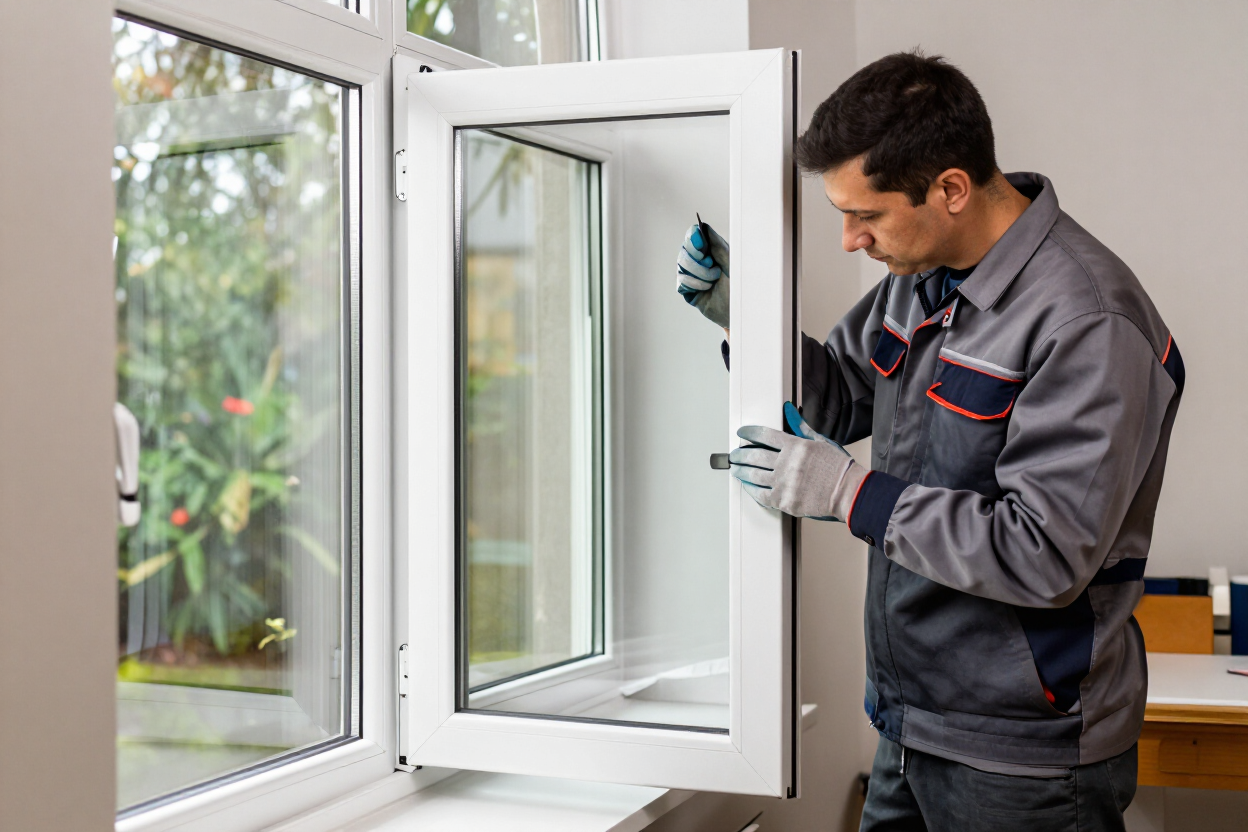
If the frame itself is structurally sound, not warped, cracked, or rotten, and the hardware such as hinges, handles and locks still functions properly, then replacing just the sealed unit is almost always the more sensible option. It restores clarity and thermal performance without the cost or disruption of a full window swap.
This is particularly common in homes with uPVC casement windows that are otherwise in good condition but were fitted with older, less efficient glass. Upgrading to a modern Low-E, argon-filled unit can noticeably improve how a room feels, without touching the frame at all.
Glass-only jobs are also quicker to turn around, since there is no need to remove and refit an entire frame, make good the surrounding plaster or brickwork, or match external finishes. In many cases, the work can be completed within a single visit once the new unit has been manufactured to size.
When A Full Window Replacement Makes More Sense
There are situations where replacing just the glass is a false economy. If the frame is warped, the hardware is failing, or the window is a very old style that no longer meets current thermal or security standards, a new window will usually deliver far better long-term value than repeatedly patching an ageing frame.
Timber frames in particular are worth inspecting closely, since rot can spread beneath the surface even when the visible wood looks reasonable. Fitting expensive new glass into a frame that will need replacing within a few years rarely makes financial sense.
A full window replacement is also the better route when a homeowner wants to change the style of window entirely, moving from a standard casement to a flush sash design, for example, since this involves structural changes that a glass-only repair cannot address.
Signs that point toward a full window replacement rather than glass-only repair include:
- Visible warping, cracking, or rot in the frame itself
- Handles, hinges or locks that are stiff, loose or broken
- Persistent draughts around the frame even after resealing
- A desire to change the window style, colour, or opening type
- Frames more than 20 to 25 years old nearing the end of their service life
Getting An Honest Assessment Before Committing
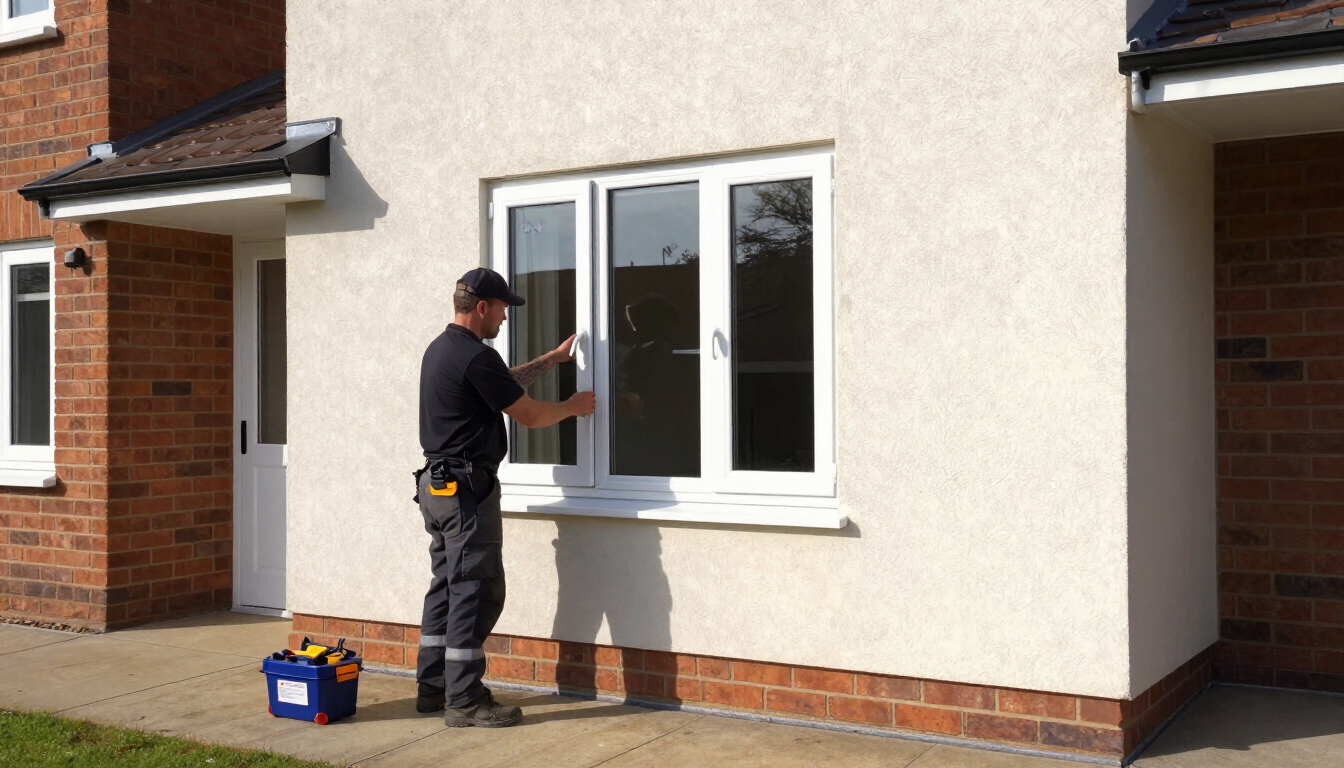
The most reliable way to decide between the two options is a proper on-site survey rather than guesswork from photographs or a phone description. A trained surveyor can check the frame condition, the state of the seals and hardware, and the glass specification before recommending a route.
We provide honest, no-pressure quotes across Doncaster, Barnsley, Sheffield, Leeds, Scunthorpe, Wakefield and the wider East, West and South Yorkshire area, and every recommendation is based on what the property actually needs rather than what generates the largest invoice.
For homeowners weighing up cost against long-term performance, it is worth remembering that a well-maintained frame with new glass can perform almost as well as a brand new window, at a fraction of the price, provided the frame genuinely has years of life left in it.
Get A Straightforward Recommendation
Deciding between new glass and a new window does not need to be complicated once someone experienced has looked at the frame in person. Nearly 20 years serving Yorkshire homeowners has taught us that the right answer is different for every property, which is why every visit starts with an honest assessment rather than a sales pitch.
Browse our full range of uPVC and aluminium windows or get in touch for a free quote and we will let you know honestly whether new glass or a new window is the better investment for your home.
FAQs
How much cheaper is glass-only replacement than a full window?
Costs vary by size and glass specification, but glass-only replacement is typically significantly less expensive than a full window swap, since there is no frame, hardware, or external finishing work involved. A survey will give an accurate figure for your specific windows.
Can triple glazing be fitted into an existing frame?
In many cases, yes, provided the frame is deep enough and structurally sound to take the extra weight and thickness of a triple-glazed unit. This is something a surveyor will confirm during an on-site visit.
How long does a new sealed unit last before it might fail again?
Modern insulated glass units with quality seals typically last well over twenty years, though factors like installation quality, direct sun exposure and extreme temperature swings can affect longevity.
Is it worth replacing just one misted window or should I do the whole house?
It is entirely reasonable to replace glass on a room-by-room basis as budget allows. There is no requirement to replace every window in a property at the same time, and many homeowners tackle the worst-affected rooms first.